
There’s nothing better than fresh meat straight from the pasture to your plate. Like many of you, at Rockley Angus we often identify candidates for home killing during pregnancy testing, and prefer dry heifers and freemartins. In particular, we find that freemartins seem to have great flavour because the hormones they’re exposed to during gestation produce a higher fat content in their meat.
We know it’s tempting to select older animals or ones that have recovered from injury, we tend to avoid using these animals for homekill as the flavour is never as good as it is with a younger healthy beast that has had no setbacks in its life.
We work with a local home kill specialist who has a very humane and patient way of doing things. Everything is very calm and relaxed. The kill is made by a single shot from a silenced rifle in a quiet paddock well away from the yards, so there’s no scent of blood or any disturbance to other stock on the property. We find it’s best to kill two at a time so the animals aren’t alone at the time of killing, which makes it easier on them.
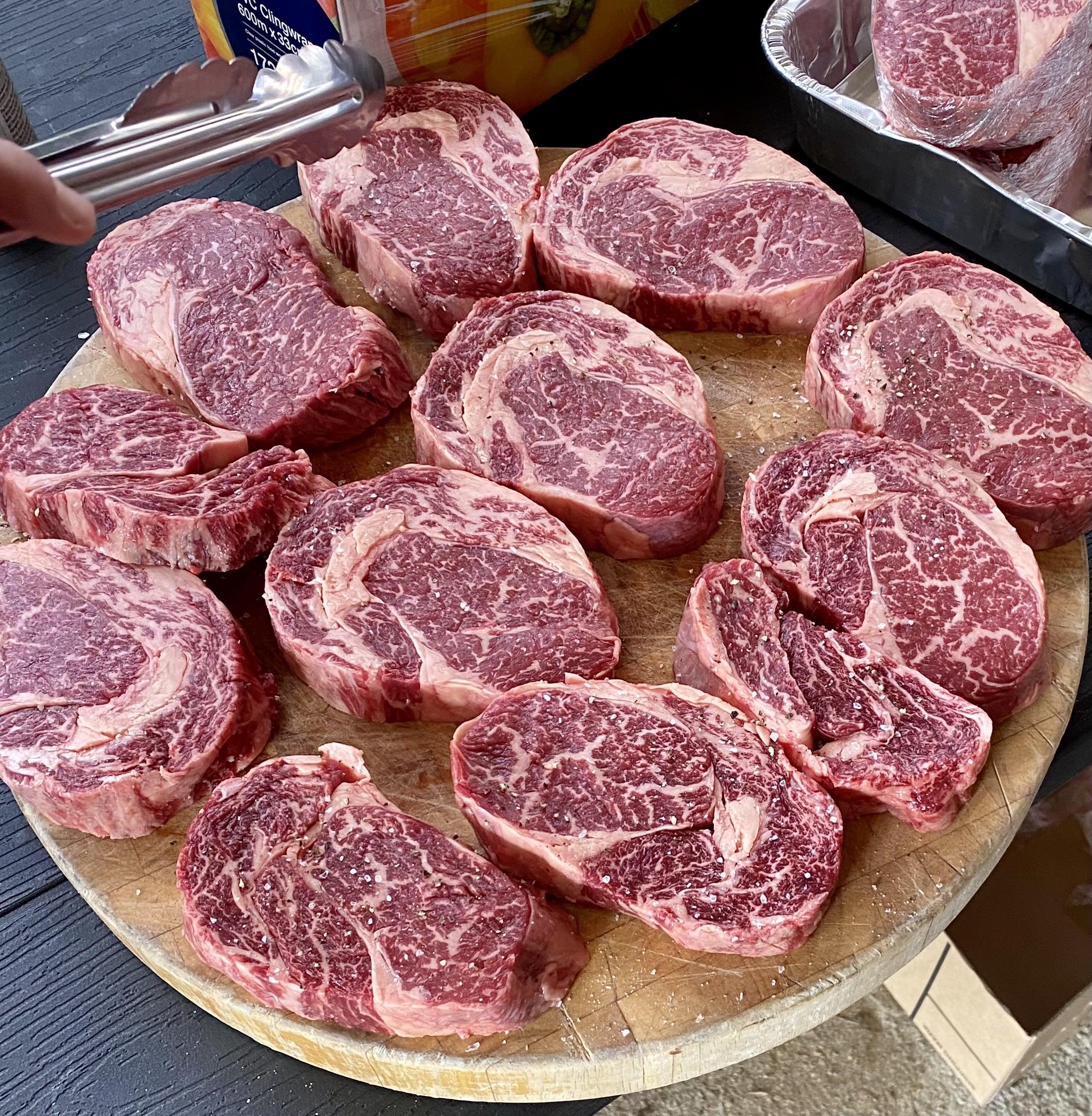
Hanging to enhance flavour
A short period of hanging at the butchery definitely improves the flavour of meat. We like to hang ours for 10 days if the butcher has the space in their cool room. There are several reasons why hanging is a good idea:
- While the meat is hanging, natural enzymes within the meat break down the collagen and muscle fibres which ‘relax’ the meat and make it more tender.
- Hanging gives time for amino acids to be released which enhances the ‘umami’ savoury flavour.
- Moisture is also released from the meat, concentrating the flavour and resulting in less water release in the pan when you’re cooking.
Vacuum packing
We’ve found a vacuum packer to be a total game changer, which we think is essential for every rural kitchen. Vacuum packing massively extends the fridge and freezer life of your meat. In the fridge, it will stay fresh for up to two months and up to two years in the freezer. Vacuum packing also prevents freezer burn which spoils the texture of the meat and removes the oxygen that bacteria and mold needs to survive.
Rockley Angus Recommendations
Prime cuts for your table
Eye-fillet, porterhouse and ribeye might be the glamour cuts of beef, but there are other lesser known cuts that we love at Rockley Angus.
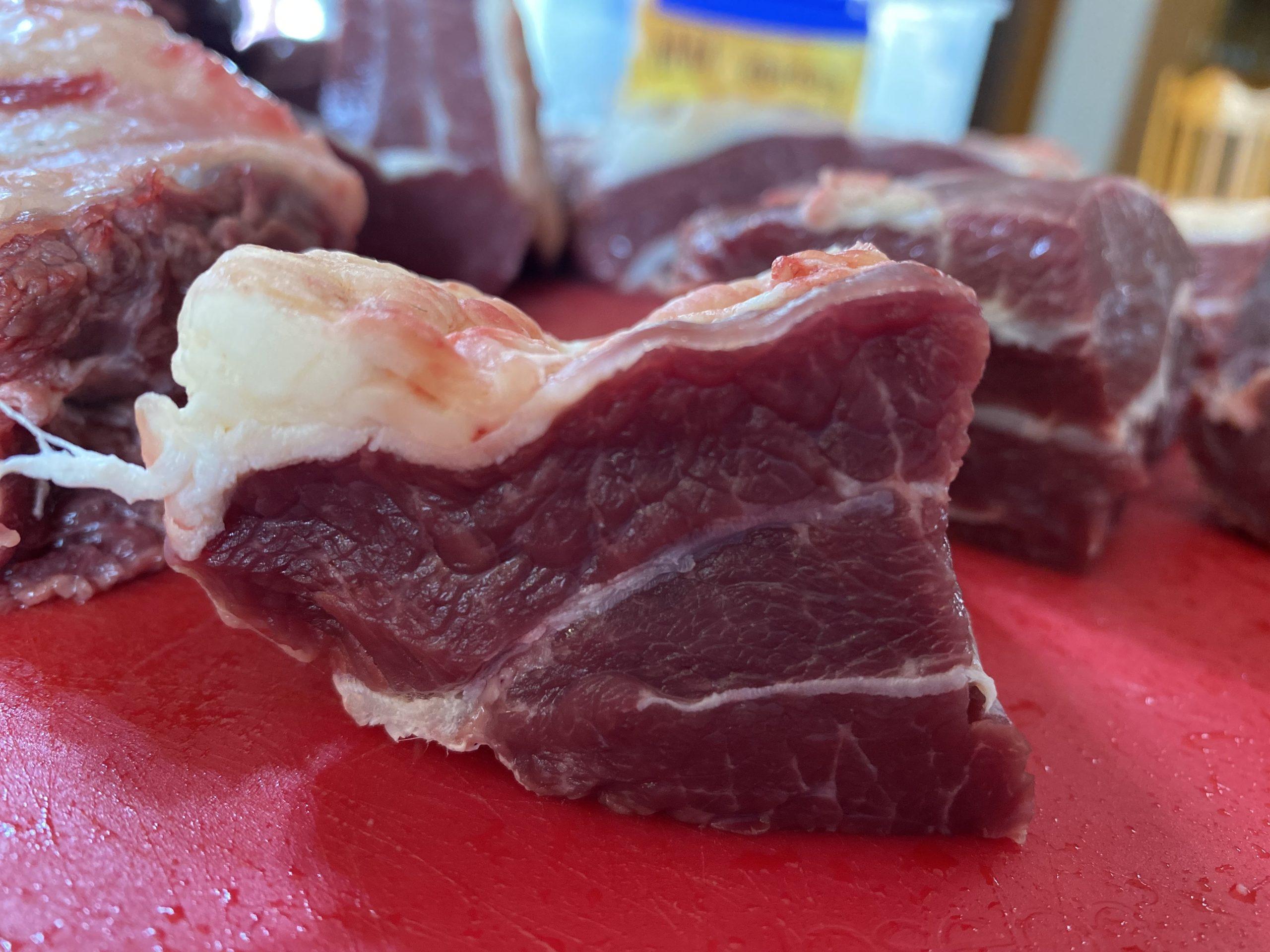
Beef Cheeks
When slow-cooked beef cheeks are tender and delicious, because the cheek is a constantly working muscle, it develops a very deep, robust flavour profile that is often compared to oxtail. Beef cheeks have a high collagen content that turns into gelatin during long, slow cooking, resulting in a ‘silky’ feel in your mouth. Beef cheeks are also excellent at absorbing the aromatics of the cooking liquid, such as red wine, stout, thyme, and root vegetables.
Oxtail
Despite the name these days Oxtail comes exclusively from beef cattle. It’s glutinous and nutrient-dense, with a high collagen content that melts when you slow cook it to create a rich, succulent texture. Oxtail soup is a winter favourite.
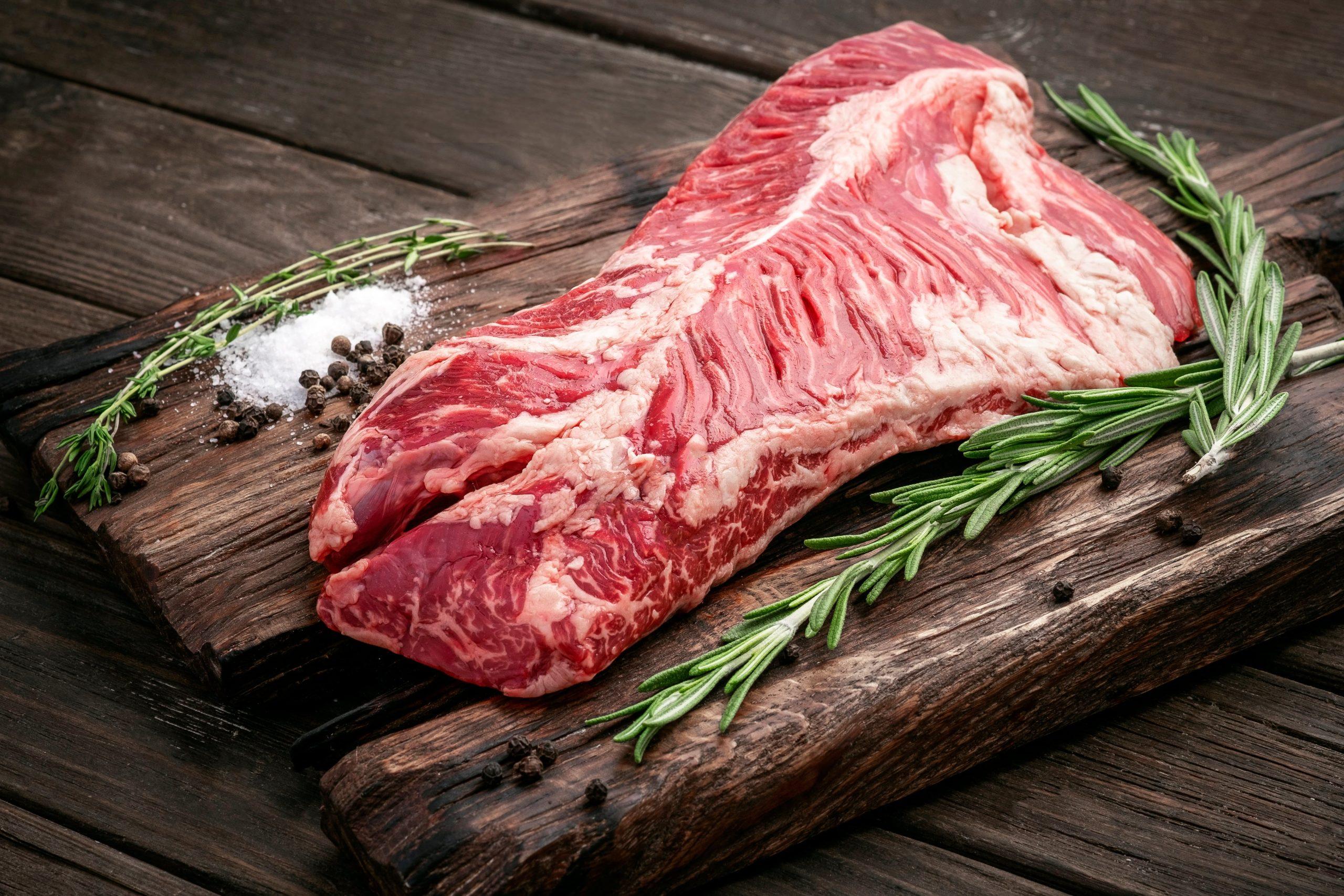
Hanger Steak
So called because it ‘hangs’ from the diaphragm in the gut wall, this little-known ‘hidden treasure’ is also known as the ‘butcher’s cut’ because as the story has it they like to keep it for themselves. Hanger steak has an intense gamey flavour and loose, tender texture. It’s very high in protein and is excellent slow-cooked in soup and stew.
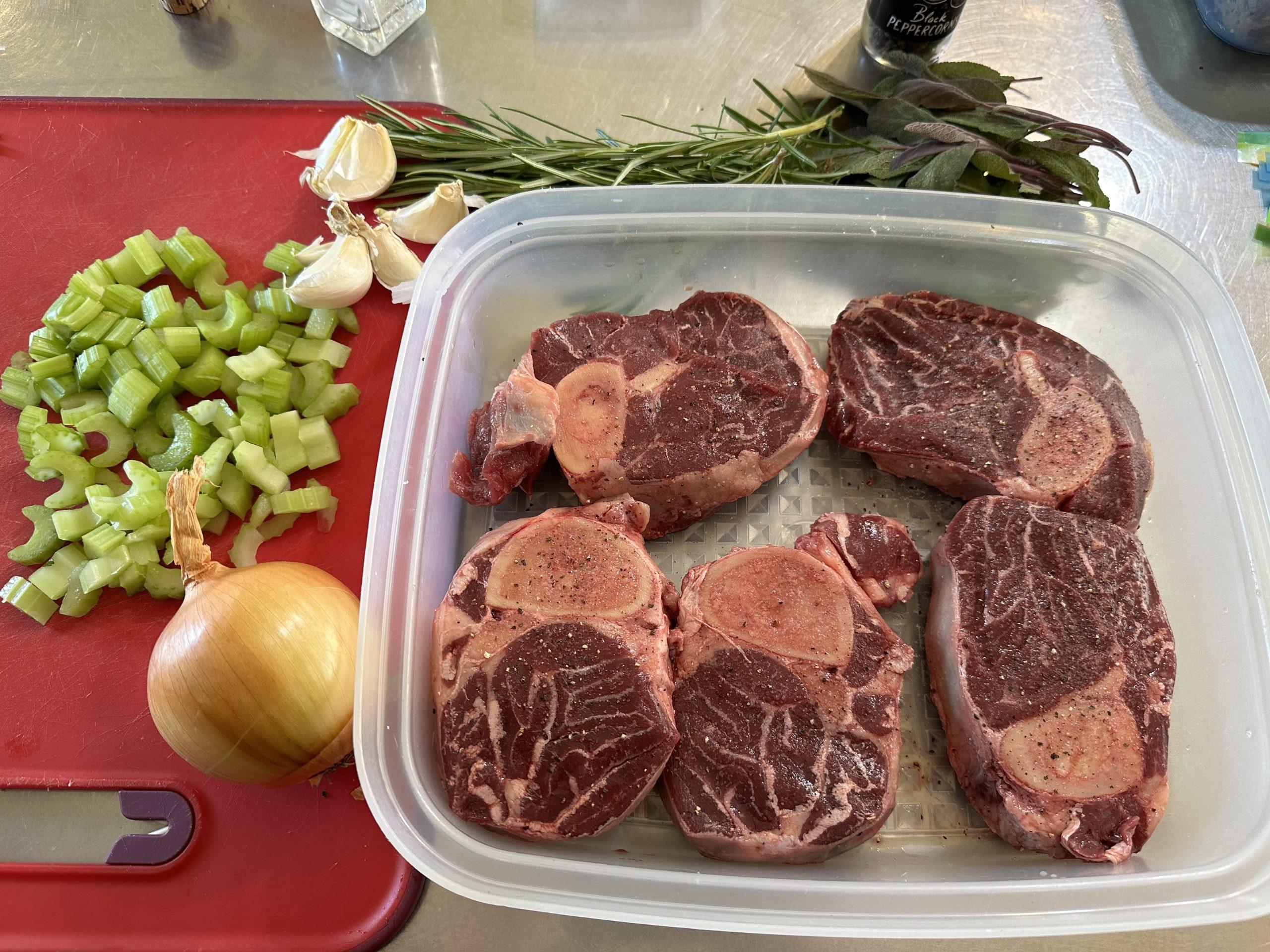
Beef Shin
Beef shin or shanks are the key ingredient in the traditional Italian slow-cooked dish Osso Bucco. Beef shins are highly nutritious, especially the marrow in the bone.
Short Ribs
Another slow-cooked favourite, short ribs are also really good smoked. Short ribs are well-marbled with fat and slow cooking transforms them into tender, melt-in-your-mouth morsels with a succulent, juicy texture.
BBQ Slow-Cooked Brisket
Everyone loves a good burger and a slice of slow-cooked brisket is ideal for burgers, with an intense, savoury, and umami-rich flavour that’s tender enough to melt in your mouth.
Our Favourite Rockley Angus Recipe
A great and simple way to cook beef shin.
- Season with salt and paper.
- Chop 2 onions and 2 cloves of garlic and lay on base of roasting dish with chopped celery, carrots and a handful of herbs you have in the garden. (I use a combination of any of these fresh herbs – oregano, sage, Rosemary, Thyme)
- Place beef shin on top. Carefully pour 1 cup of bone broth/beef stock around the edges. (You can also add a tablespoon of Worcester sauce or a quarter cup of red wine).
- Cover in tin foil and cook in oven on bake at 160 degrees for 2-3 hours.
- Uncover and turn up heat to brown shins for 30min on 200 degrees.