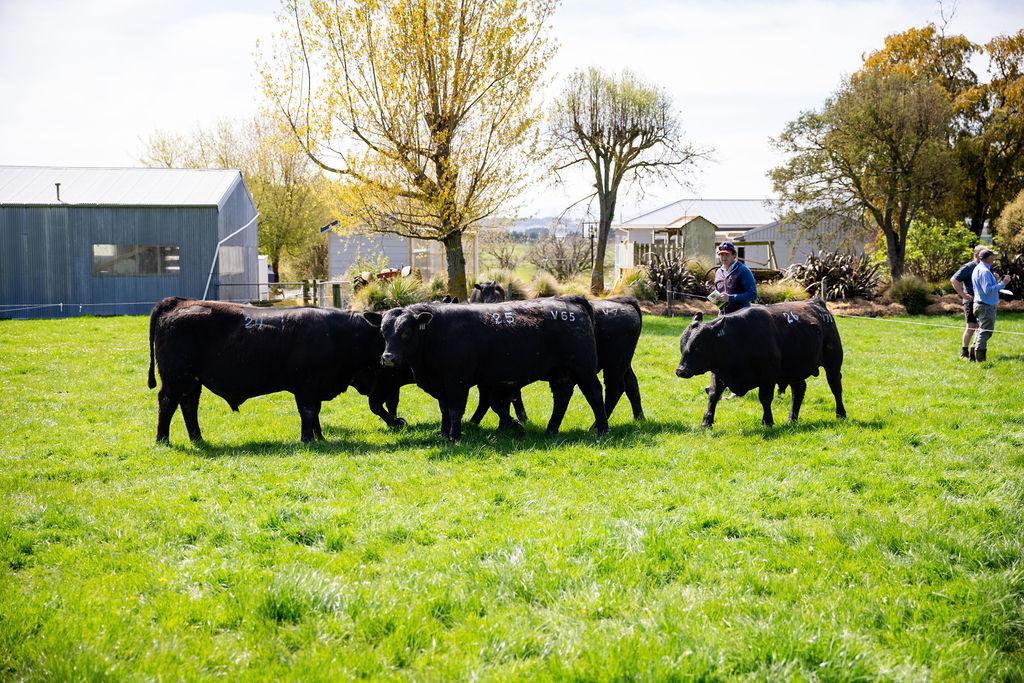
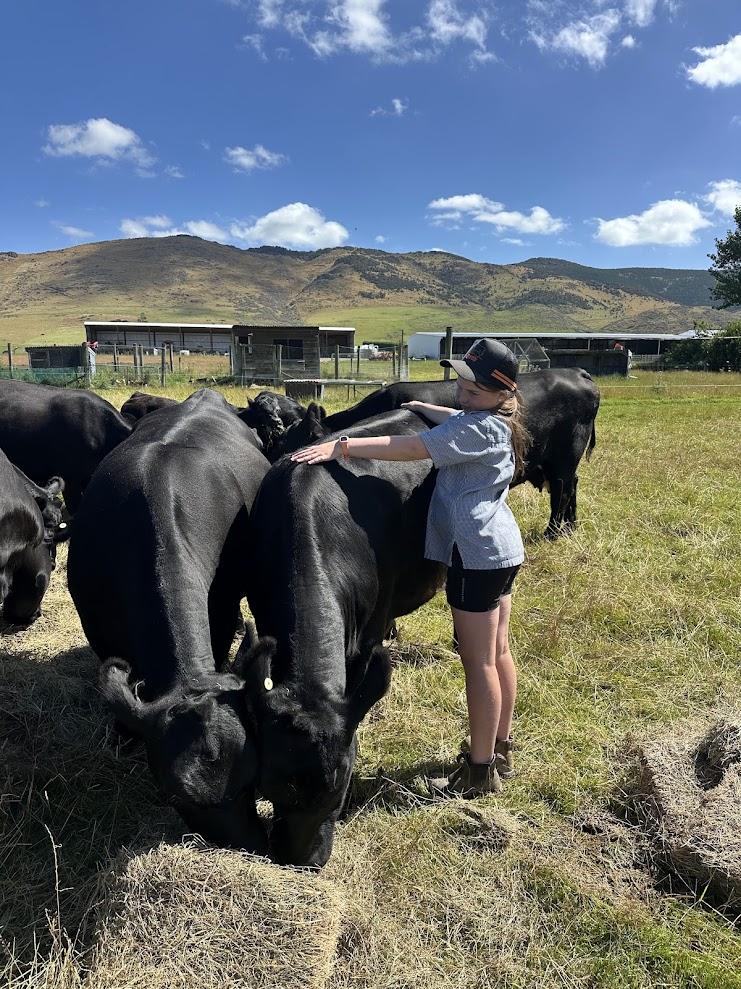
Docility or good temperament is a valuable trait that we actively breed for in our cattle at Rockley Angus. We do this for the safety of our team but also because it is profitable to have quieter cattle that express good eating quality. Every Farmer you talk to has a story about an animal they had to work with that wasn’t docile. In this article we’ll look at why docility is an advantage.
Working with Stock
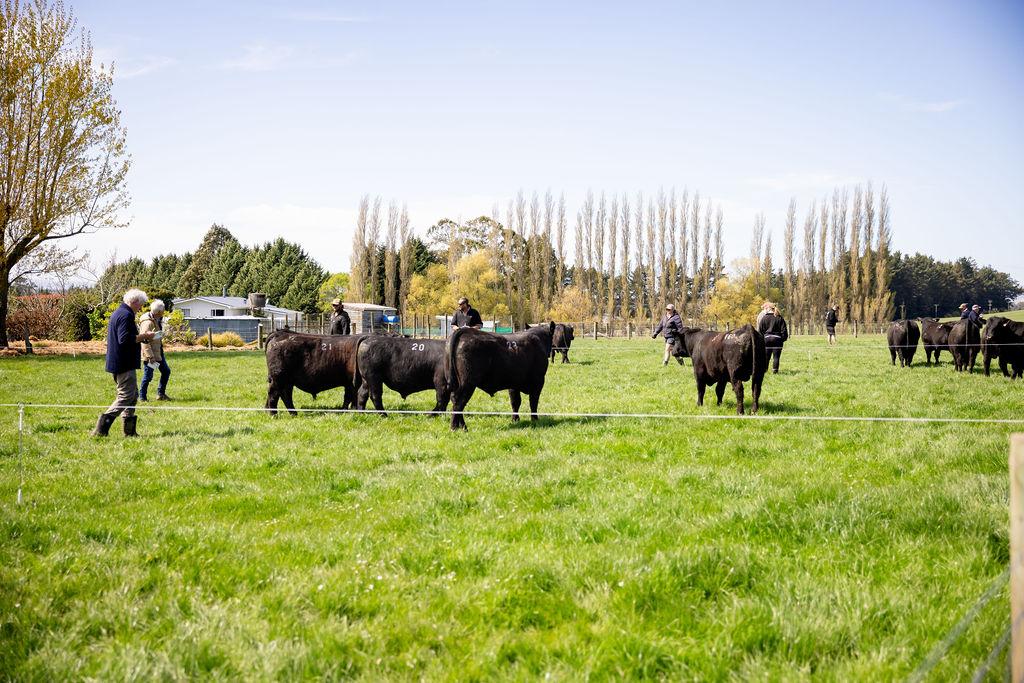
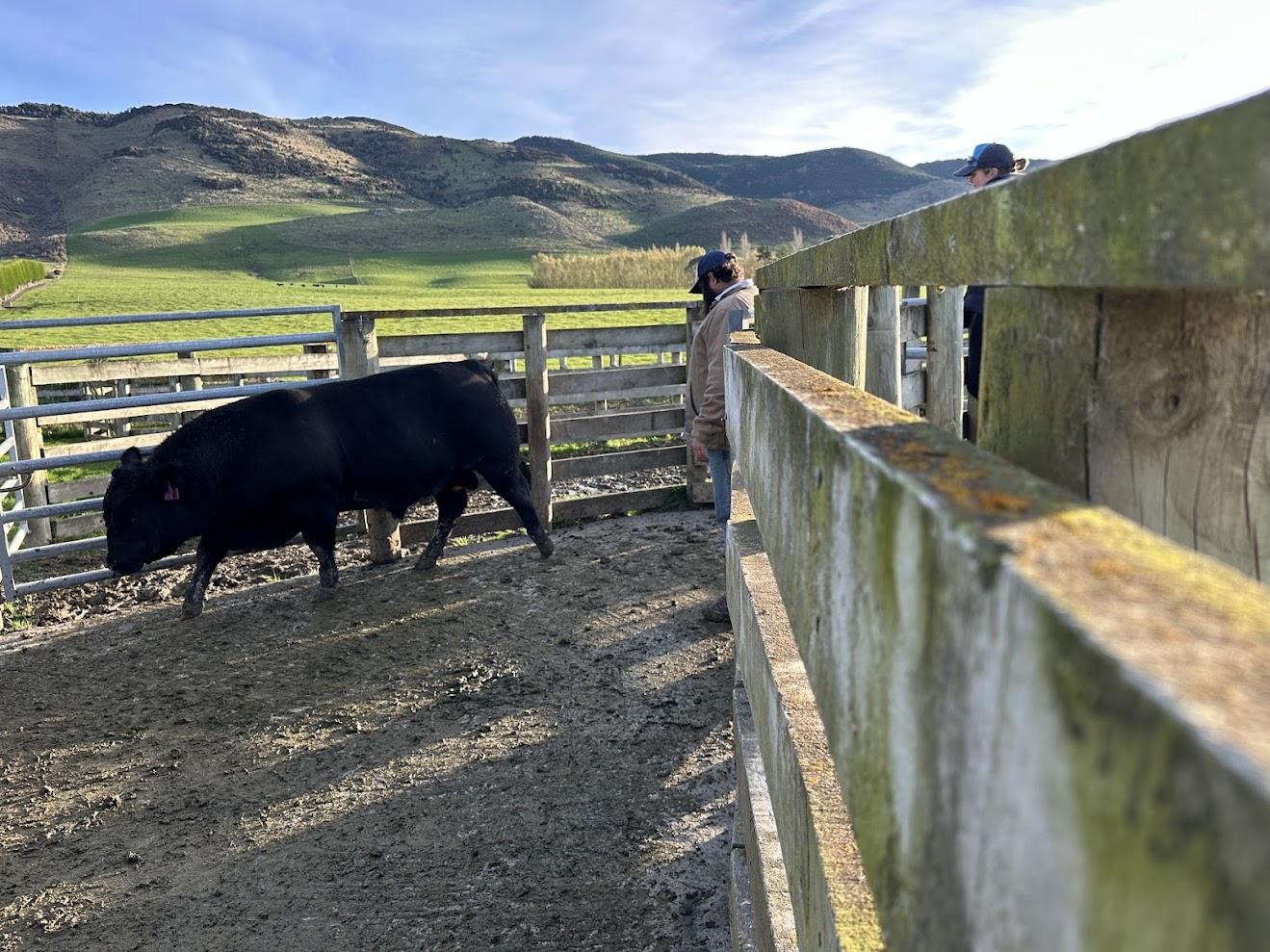
It easiest to recognize good temperament when stock are moved or when they are in the yards. Docile animals will be settled and quite happy to be in the front of the mob, they won’t be pushing to be at the back or pushing, causing the whole mob to move in a circular motion while no pressure is being applied to them in the yards. Cattle that are less docile tend to be at the back of the mob and will quite often come in near the end of the yarding for animal treatment.
When shifting stock, cattle that lack good docility can be the ones that like to break away or don’t naturally like to be shifted, their head will be up and looking very alert.
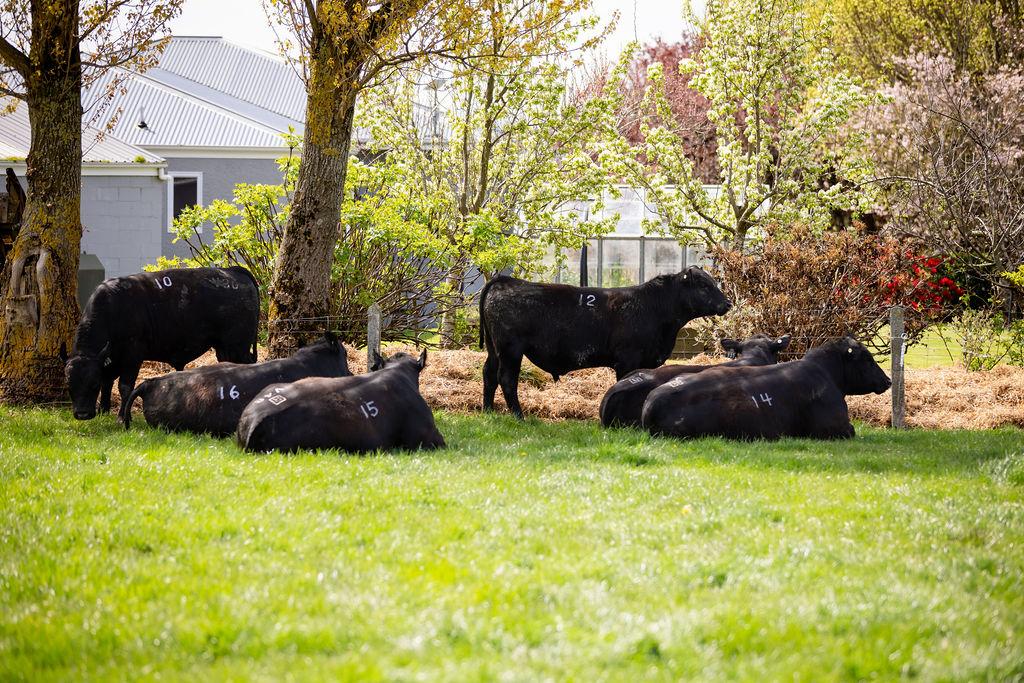
Benefits of having docile cattle when working with them are:
- Less damage to yards and gates
- Health and safety of staff
- Less stress on people working with the stock.
Quieter calmer cattle are easier to handle and shift.
Monitoring and measuring Docility
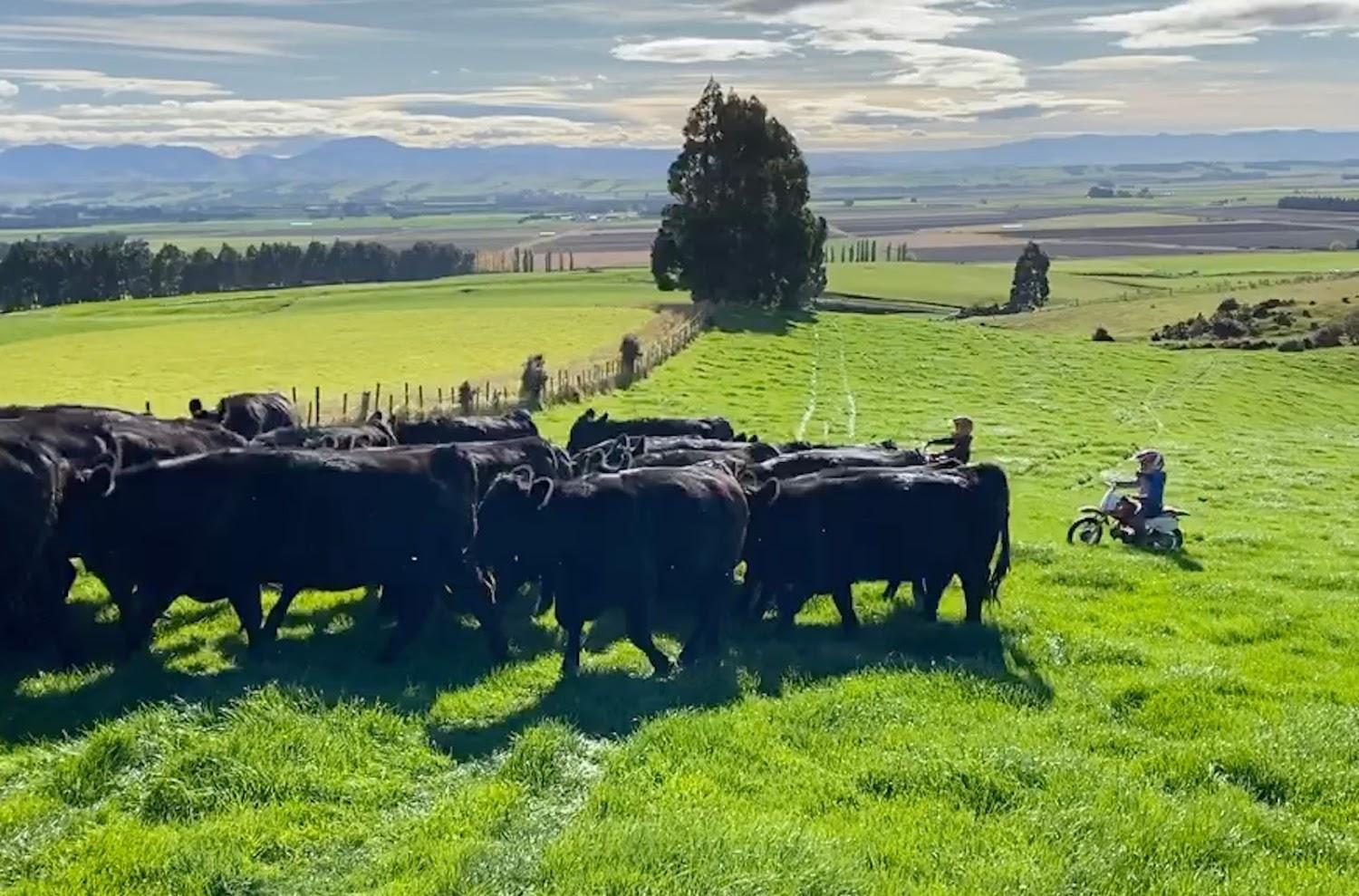
There are several occasions in the stud when we score for docility throughout an animals life with us.
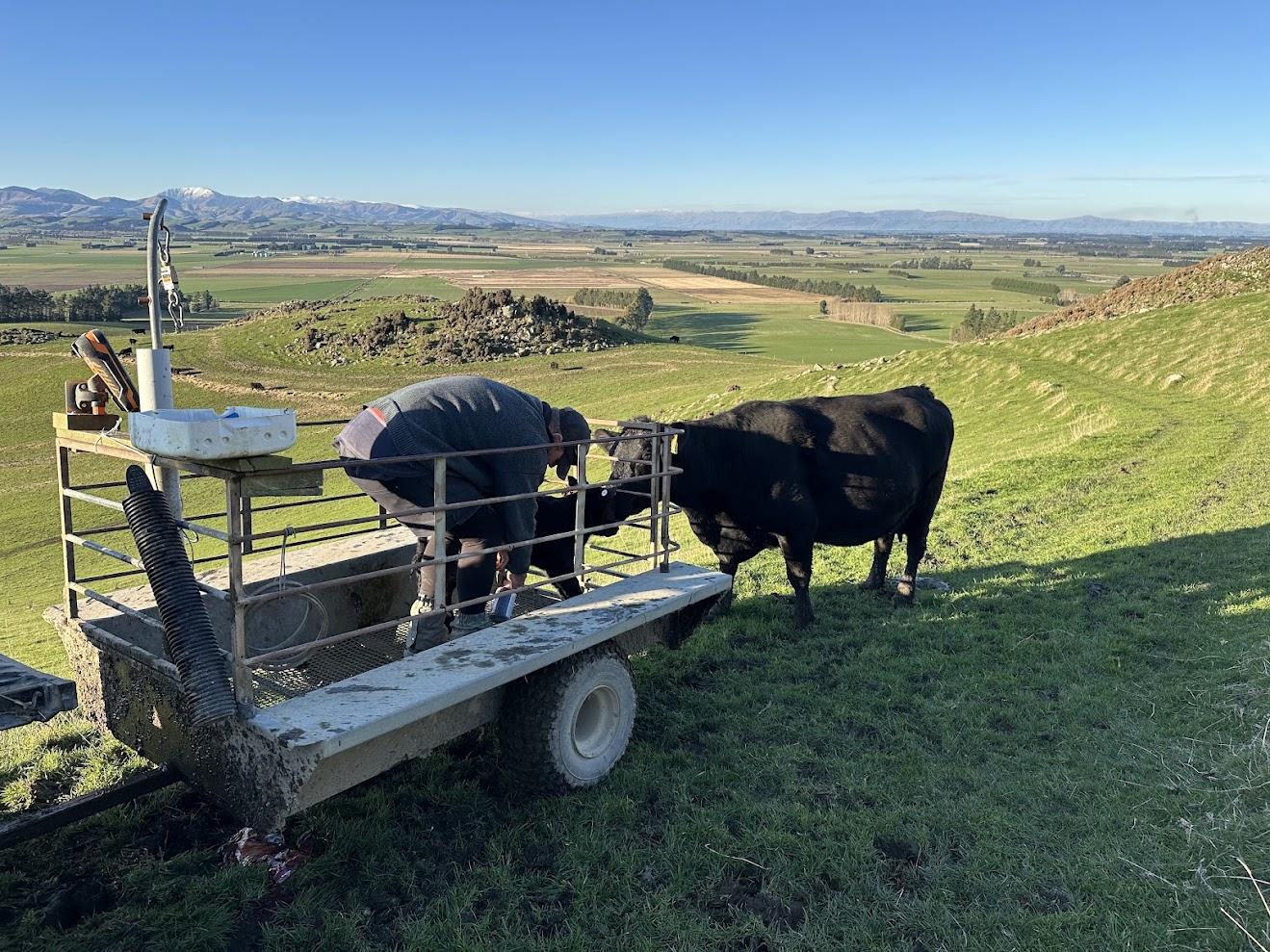
As early as when they are born, we are busy taking notes. Some calves are more settled than others when being tagged and weighed. Dam temperament is recorded at birth while we weigh and tag the calf. While we want the Dam to be maternal, we don’t want her to be aggressive. Any Dam that we can’t tag and weigh a calf safely with is taken out of the stud mob.
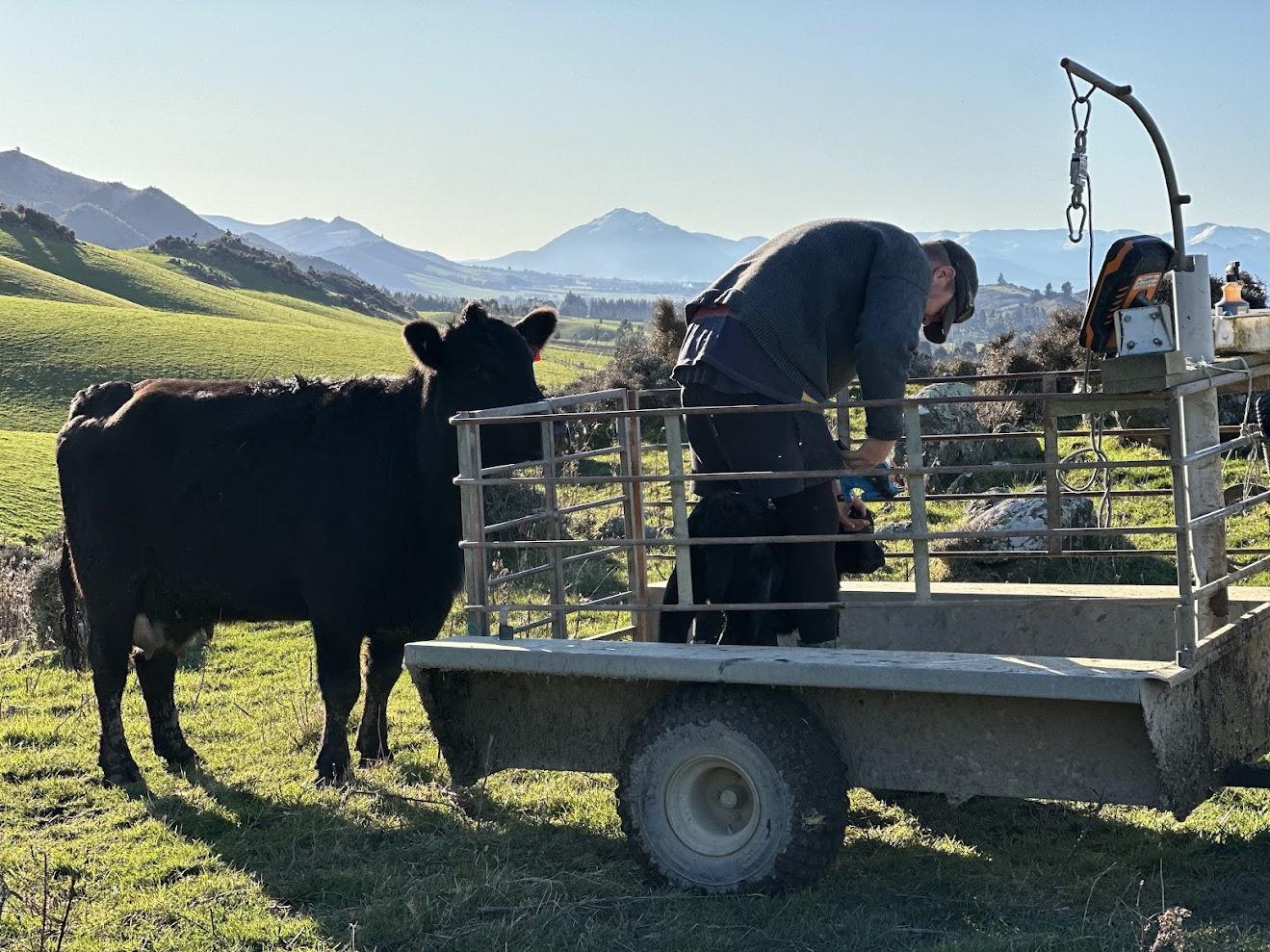
At weaning docility is recorded through the crush and then sent away to TACE (TransTasman Angus Cattle Evaluation) this is the best time to record docility as calves have had very little handling and are straight off Mum.
We use the Docility scoring table below provided by TACE.
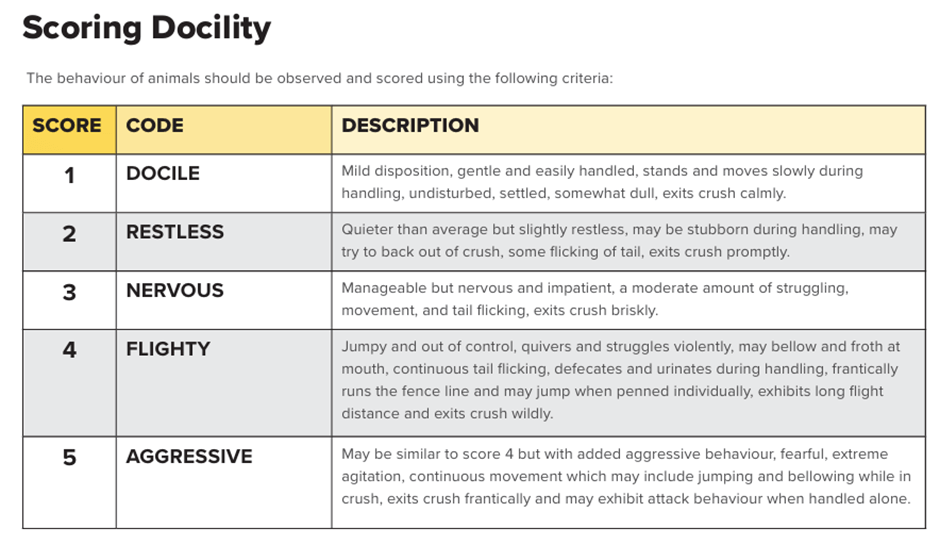
Temperament is noted and recorded in the Bulls as yearlings when they are being muscle scanned (August). Anything that is cutting in and out of the mob through the yards or is not settled in the paddock is not put up for sale.
When replacement heifers are being independently structurally assessed, temperament scores are taken. Heifers with temperament scores of 1s and 2s are retained in the Stud.
Meat Quality
Last but certainly not least, we’ve found that docile animals produce a much better eating experience.
Research supports that calmer cattle produce higher-quality meat.
“When cattle are stressed, especially before slaughter, their bodies release cortisol, which depletes glycogen in the muscle,” Asia said. “This results in darker, sticky meat with altered pH. While safe to eat, it’s not visually appealing compared to a bright cherry red steak.”
Cattle that get worked up before slaughter—whether from being chased onto a trailer or mishandled—are more likely to become dark cutters. Consumers often perceive dark-cutter meat as aged or lower quality.
(https://www.wlj.net/calm-capable-profitable-the-value-of-docile-cattle)
In conclusion, these are the reasons why we feel Docility is important to us and we breed for it at Rockley Angus.
- Docile Animals are easier to handle
- Docile Animals are safer to handle
- Docile animals tend to cause less arguments between family and staff
- Docile animals are tastier!